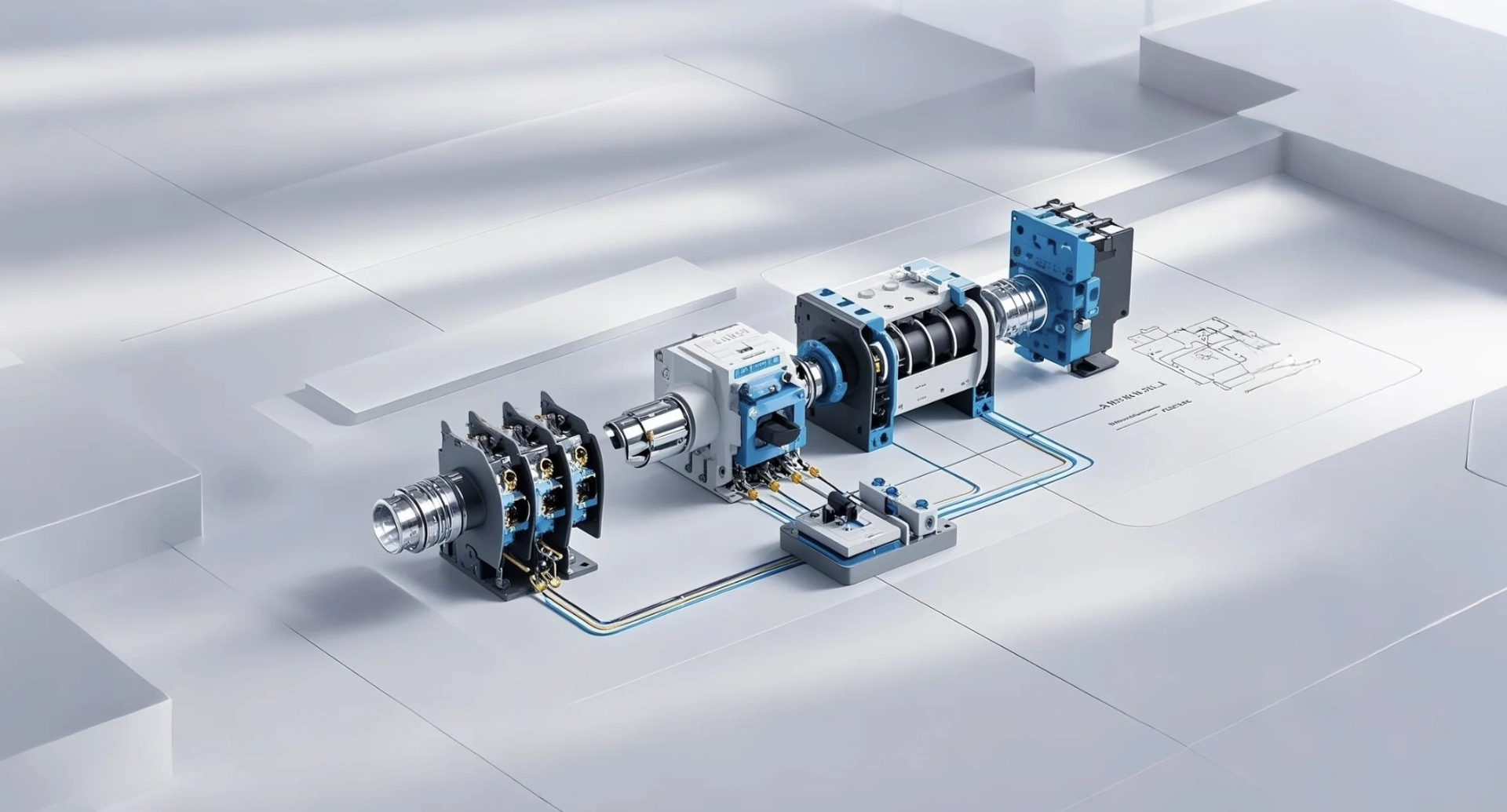
2027, Global — Electronics Industry: Moving from a single prototype to thousands of compliant units is no longer a cliff; it’s a ramp built with scalable CNC machining, sheet metal fabrication, and industrial 3D printing. As the additive manufacturing market has grown to multi‑billion scale and quality frameworks like ISO 9001 have exceeded one million certified organizations worldwide, electronics OEMs can compress iteration cycles while meeting stringent thermal and electrical safety requirements. This article clarifies how to scale responsibly and profitably, focused on the electronics sector.
Why Scaling Matters Now for Electronics
For electronics makers, scaling is about balancing speed, reliability, and compliance. CNC ensures precision for housings and fixtures; sheet metal delivers thermal paths and EMC integrity; 3D printing accelerates design changes and bridge production without full tooling. The goal: reduce changeover risk while maintaining UL/IEC compliance and IPC workmanship standards.
Core Trends Shaping Scalable Production
CNC as the Backbone of Electronics-Grade Scaling
Definition & Status: CNC machining provides repeatable precision for enclosures, fixtures, heat sink bases, and test tooling. It is widely embedded across mature quality systems and supports tight tolerances required for electronics.
Drivers: Precision for connectors and PCB interfaces; automated multi-axis capability; stable cost at volume; compatibility with ISO 9001 QMS and PPAP/APQP practices.
Data Support: Global machine tool consumption has been estimated around tens of billions of USD annually; industry surveys like Gardner’s World Machine Tool Survey track this scale. ISO reports more than one million organizations certified to ISO 9001, underscoring process maturity (ISO; Gardner Intelligence).
Impact Across the Value Chain: Suppliers standardize fixtures and cutting parameters; production stabilizes yield; distribution gains predictable lead times; end users receive mechanically consistent products that pass safety testing.
Sheet Metal for Thermal, EMC, and Structural Integrity
Definition & Status: Sheet metal fabrication (laser cutting, bending, welding, surface finishing) delivers chassis, brackets, and thermal pathways. In electronics, it underpins heat management, grounding, and shielding.
Drivers: Rising power density in electronics; stricter EMC/EMI norms; need for robust enclosures in harsh environments; cost-effective scalability with standard gauges and finishes.
Data Support: Thermal loads from electronics and data infrastructure keep heat management central; analyses from energy bodies show data centers consuming about 1–1.5% of global electricity, heightening thermal priorities (IEA). Workmanship and acceptance criteria remain aligned with IPC standards (IPC).
Impact Across the Value Chain: Suppliers optimize material nesting and finishing; production meets thermal/EMC targets; distribution benefits from robust packaging; consumers see reliable thermal performance under load.
Industrial 3D Printing for Rapid Iteration and Bridge Production
Definition & Status: Additive manufacturing enables quick design turns, functional prototypes, fixtures, and short runs before hard tooling. It reduces change risk and supports complex internal geometries (e.g., lattice heat spreaders).
Drivers: Need for fast DFM iteration; complex cooling channels; material advancements; digital workflows integrated with QMS.
Data Support: Industry reports indicate additive manufacturing has grown to multi‑billion scale globally; Wohlers reporting highlights sustained growth (Wohlers; ASTM).
Impact Across the Value Chain: Suppliers compress validation cycles; production adapts fixtures faster; distribution sees fewer change-requests mid‑shipment; customers benefit from faster feature updates.
Data-Driven Outlook to 2027
By 2027 (Global), electronics manufacturers will increasingly blend CNC, sheet metal, and AM to bridge prototype-to-production with fewer tooling resets, tighter thermal envelopes, and faster compliance cycles. Forecasts vary by segment and region; the chart below visualizes additive manufacturing revenue growth based on reported industry sources.
| Milestone | Primary Process | Key Deliverable | Risk Control | Reference Framework |
|---|---|---|---|---|
| Prototype | 3D Printing | Functional parts/fixtures | Material validation & fit checks | ASTM F42; IPC component fit guidance |
| Pilot | CNC | Pre‑production enclosures & jigs | CP/CPK on critical dimensions | ISO 9001 QMS; PPAP/APQP practices |
| Mass Production | Sheet Metal | Chassis with thermal & EMC features | EMI tests; UL/IEC safety compliance | IPC‑A‑610; UL; IEC standards |
Opportunities and Challenges
- Opportunities: Faster DFM iterations; fewer tooling resets; improved thermal performance via optimized metal geometries; resilient supply through multi‑process readiness and distribution agency support.
- Challenges: Material qualification across processes; cross‑process tolerance stackups; regulatory compliance (UL, IEC) for electrical safety; cost discipline through transitions from AM to CNC/sheet metal.
Role‑Based Action Guide
- CEOs/Strategists: Fund an integrated process stack (AM→CNC→Sheet Metal); mandate ISO 9001 QMS coverage; set targets for time‑to‑qualification.
- Engineering Managers: Establish DFM gates with IPC/UL/IEC alignment; use AM for fixtures and design sprints; lock CNC critical dims before sheet metal roll‑out.
- Operations/Supply Leads: Dual‑source materials; adopt SPC for pilot lines; leverage distribution agency services to stabilize international logistics.
- General Readers: Prioritize partners with proven QMS and electronics compliance experience; ask for evidence of IPC workmanship and safety testing.
Value Path with Trade Fuxing Demo
Trade Fuxing Demo (贸福星演示) brings multi‑process scalability for electronics: CNC, sheet metal, and 3D printing supported by a culture committed to innovation and excellence. The organization’s journey includes building a multi‑process manufacturing network (2016), launching an online quoting platform (2019), and maintaining ISO 9001:2015 quality management—enabling consistent scale‑up for thermal management solutions and electrical safety equipment without compromising compliance.
To discuss a tailored plan for your electronics program, start a consultation. For proposals and expedited inquiries, request a quote.
Mid‑Article Visual
References
- Gartner: Industry insight and tools for technology decisions (gartner.com).
- McKinsey: Manufacturing and operations research on digital and advanced manufacturing (mckinsey.com).
- ISO: ISO 9001 quality management frameworks and certification overview (iso.org).
- ASTM/Wohlers: Additive manufacturing standards and industry reporting (astm.org; wohlersassociates.com).
- IPC: Electronics assembly acceptance and workmanship criteria (IPC‑A‑610) (ipc.org).
- IEA: Data center energy insights reinforcing thermal management priorities (iea.org).
- Gardner Intelligence: World Machine Tool Survey tracking global machine tool dynamics (gardnerintelligence.com).