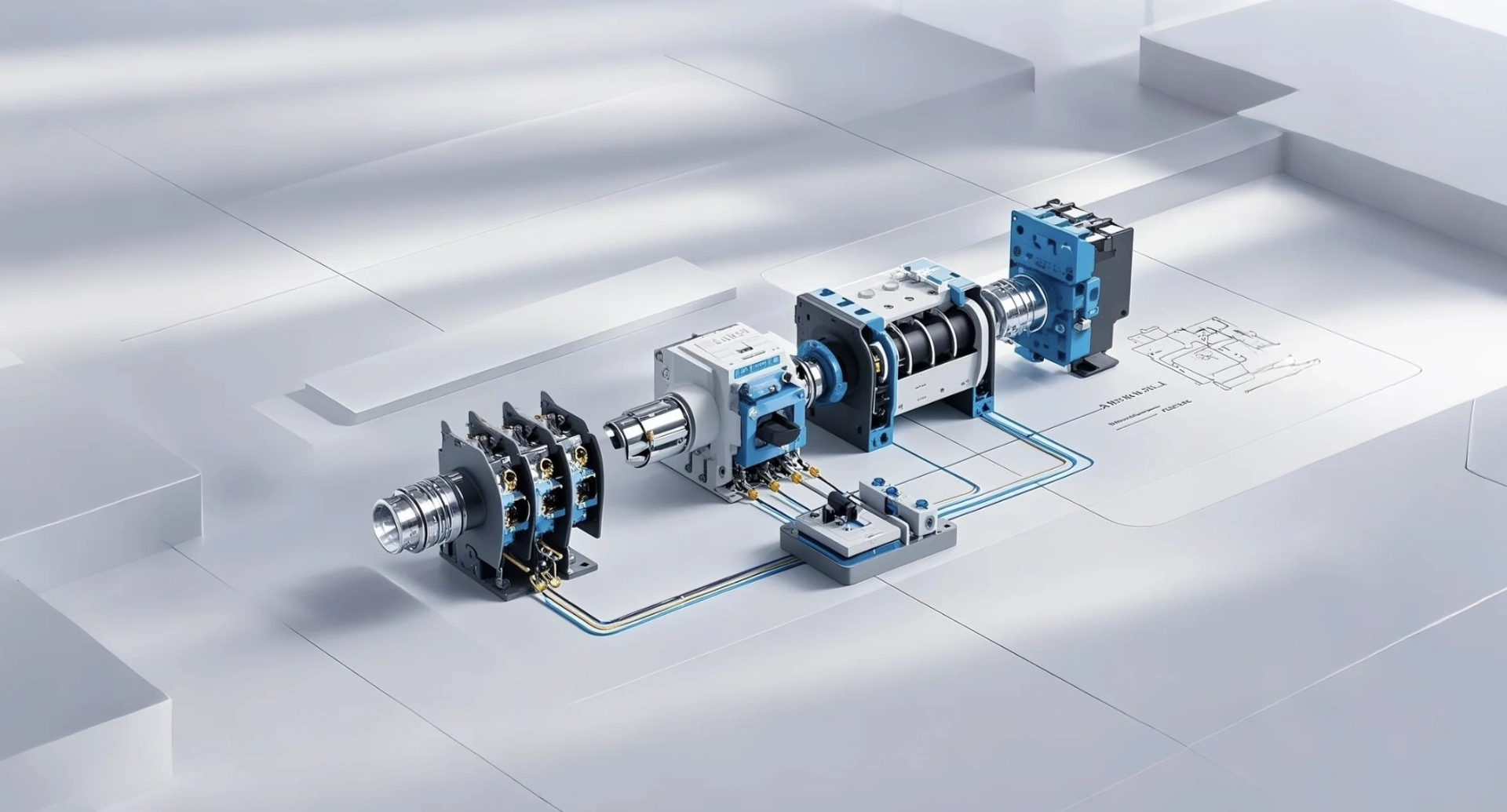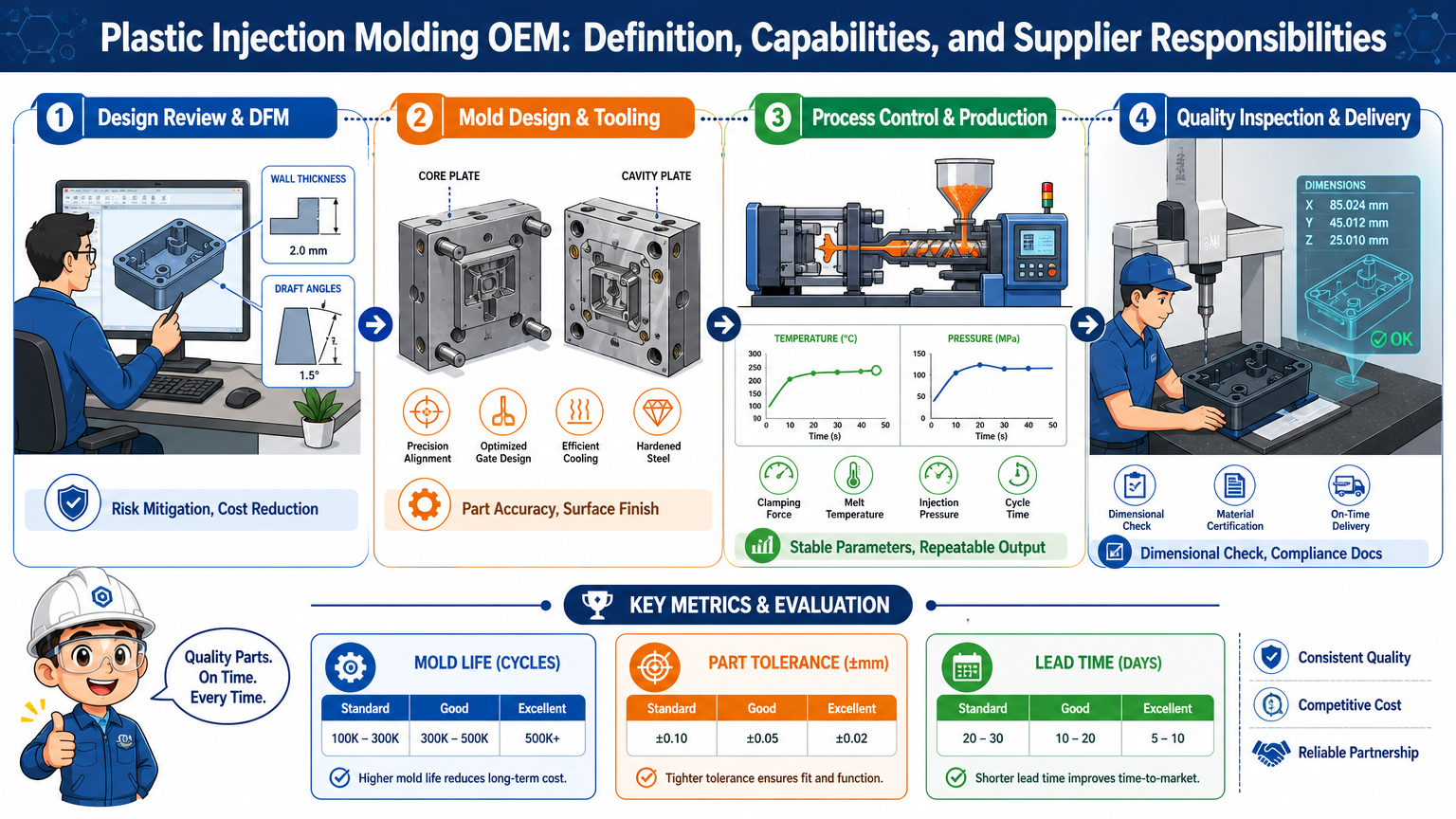
Plastic Injection Molding OEM means an original equipment manufacturing supplier that makes custom plastic parts by injecting melted plastic into a mold, then cooling it into a fixed shape; injection molds for plastic parts are covered in global manufacturing guidance such as ISO 20457:2018 for injection moulds.
In rapid manufacturing, this service helps companies move from prototype to repeatable production. It also works well with CNC machining, sheet metal fabrication, and 3D printing when a project needs prototypes, molds, fixtures, and final plastic parts.
For buyers, engineers, and product teams, a good Plastic Injection Molding OEM is more than a factory. It is a partner that helps reduce design risk, control quality, and deliver parts on time.
Core Capabilities of a Plastic Injection Molding OEM
A Plastic Injection Molding OEM usually supports the full path from design review to mass production. The main goal is simple. The supplier must make plastic parts that match the drawing, function, material need, and quality level.
Key Capabilities
| Capability | What It Means | Why It Matters |
|---|---|---|
| Design for Manufacturing | The supplier checks wall thickness, ribs, draft angles, gates, and parting lines. | It lowers the risk of sink marks, warpage, and weak parts. |
| Tooling Support | The supplier designs, builds, tests, and maintains injection molds. | The mold decides part accuracy, surface finish, and cycle time. |
| Material Selection | The supplier helps choose ABS, PC, PP, PA, POM, TPE, or other plastics. | The right material affects strength, heat resistance, cost, and safety. |
| Process Control | The supplier controls temperature, pressure, cooling time, and injection speed. | Stable process settings make stable parts. |
| Quality Inspection | The supplier checks dimensions, appearance, function, and packaging. | It helps prevent bad parts from reaching the customer. |
Quality management is often based on clear process control. Many manufacturers use ideas from ISO 9001 quality management to build repeatable checks and records.
How the Plastic Injection Molding OEM Process Works
The process is like using a cake mold. The plastic is heated until it flows. Then it is pushed into a mold. After cooling, the finished shape is removed.
In real production, each step must be controlled. Small changes in temperature, pressure, or cooling can change the final part.
Common Types of Plastic Injection Molding OEM Services
Not every molding project is the same. Some projects need fast samples. Some need millions of parts. Others need special materials or tight tolerances.
Service Types
| Type | Best For | Typical Need |
|---|---|---|
| Prototype Injection Molding | Early product testing | Fast mold, small quantity, design feedback |
| Low-Volume Injection Molding | Market validation or bridge production | Flexible quantity, lower tooling pressure |
| Mass Production Molding | Stable long-term demand | Durable mold, tight process control, cost efficiency |
| Insert Molding | Plastic parts with metal or other inserts | Strong bond between plastic and insert |
| Overmolding | Soft-touch grips, seals, handles, or two-material parts | Good material bonding and accurate positioning |
Supplier Responsibilities in Plastic Injection Molding OEM
A supplier is responsible for more than making parts. It must also protect the project from delays, quality problems, and unclear communication.
Main Responsibilities
- Review the design clearly. The supplier should explain manufacturability risks before mold building starts.
- Choose suitable materials. The supplier should match the plastic to heat, strength, color, safety, and cost needs.
- Build and maintain the mold. The mold must be checked, cleaned, repaired, and stored correctly.
- Control production settings. The supplier should record key molding parameters for stable repeat orders.
- Inspect parts. Checks may include size, surface, color, strength, and assembly fit.
- Support compliance documents. This may include material data sheets, test reports, RoHS, REACH, or UL-related files when needed.
- Manage delivery. The supplier should plan packaging, lead time, and shipment details.
For regulated markets, material and environmental requirements can matter. For example, the European Chemicals Agency explains REACH chemical rules, and UL provides product safety testing and certification services through UL Solutions.
Why Plastic Injection Molding OEM Matters
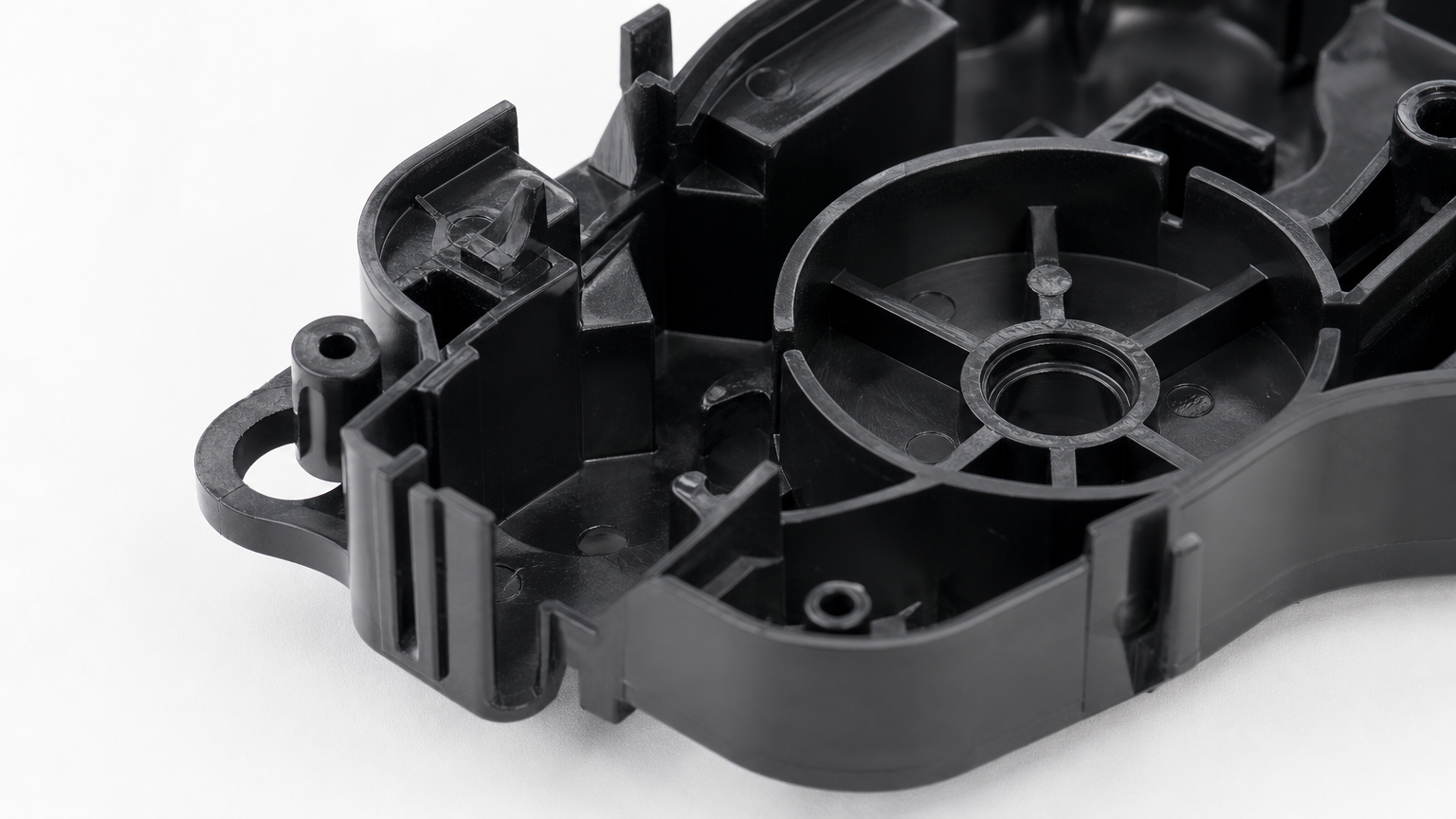
Plastic injection molding can make many identical parts with good speed and repeatability. This is why it is widely used in electronics, medical devices, automotive parts, tools, packaging, and consumer products.
The value becomes stronger when OEM support starts early. Early design checks can prevent expensive mold changes later. This is important because mold changes can cost time and money after tooling is complete.
Business Value
| Value | How the OEM Supplier Helps |
|---|---|
| Faster launch | Combines design review, tooling, sampling, and production planning. |
| Lower risk | Finds design and material issues before mass production. |
| Better repeatability | Uses controlled molds, machines, inspection plans, and records. |
| Flexible production | Supports prototypes, low-volume runs, and larger orders. |
| Complete manufacturing support | Works with CNC machining, 3D printing, and sheet metal when the product needs mixed parts. |
Typical Applications in Rapid Manufacturing
In rapid manufacturing, Plastic Injection Molding OEM is often used after a product has passed early testing. The team may first use 3D printing for quick shape checks. Then CNC machining can make high-accuracy prototypes. After that, injection molding can make real production parts.
A simple example is a plastic housing for an electronic device. The product team may need a strong shell, accurate clips, screw bosses, and a clean surface. The OEM supplier checks the design, builds the mold, runs trial samples, and then produces the parts.
This staged method is common in modern product development. It reduces risk because each step answers a clear question before the next investment. Industry groups such as the Plastics Industry Association also highlight the wide role of plastics manufacturing across many end markets.
How to Evaluate a Plastic Injection Molding OEM Supplier
Choosing a supplier is easier when you ask clear questions. The best supplier should give clear answers, not vague promises.
Supplier Checklist
- Can the supplier review drawings and suggest design changes?
- Can the supplier explain mold material, mold life, and maintenance?
- Can the supplier support prototype, low-volume, and production runs?
- Can the supplier provide material data sheets and compliance documents?
- Can the supplier show inspection plans and measurement reports?
- Can the supplier support custom logos, color matching, texture, and packaging?
- Can the supplier provide samples before full production?
- Can the supplier give a clear lead time, such as 15 to 35 days for certain custom orders?
For special projects, related materials may also need clear specifications. For example, thermal silicone pads may require thermal conductivity, hardness, thickness, operating temperature, insulation, and compliance details such as RoHS, REACH, or UL-related records. This shows why document control is important in OEM manufacturing.
Further Reading and Related Support
To explore a related part of Plastic Injection Molding OEM, you can start a technical inquiry with our team. A clear drawing, material need, quantity, and target use will help the supplier respond faster.
In rapid manufacturing, Trade Fuxing Demo (Change) is focused on helping product teams use plastic injection molding, CNC machining, sheet metal fabrication, and 3D printing in a practical way. This helps customers test ideas, improve designs, and move toward production with less risk.
When quality or compliance is required, buyers should ask for proof. Useful records may include SGS test reports, REACH declarations, RoHS statements, UL-related files, material data sheets, and inspection reports. These documents make supplier claims easier to verify.
Common Questions
Question: Is Plastic Injection Molding OEM only for mass production?
Answer: No. It can support prototypes, low-volume production, bridge production, and mass production. The best choice depends on part design, mold cost, material, and order quantity.
Question: What should I prepare before asking for a quote?
Answer: Prepare a 3D file, 2D drawing, material choice, surface finish, color, quantity, and target use. If you are not sure about the material, the OEM supplier can help review it.
Question: Why is design for manufacturing important?
Answer: Design for manufacturing helps make the part easier to mold. It can reduce defects such as warpage, sink marks, short shots, and weak areas. This idea is linked to good mold and part design practice, including guidance from ISO 20457:2018.