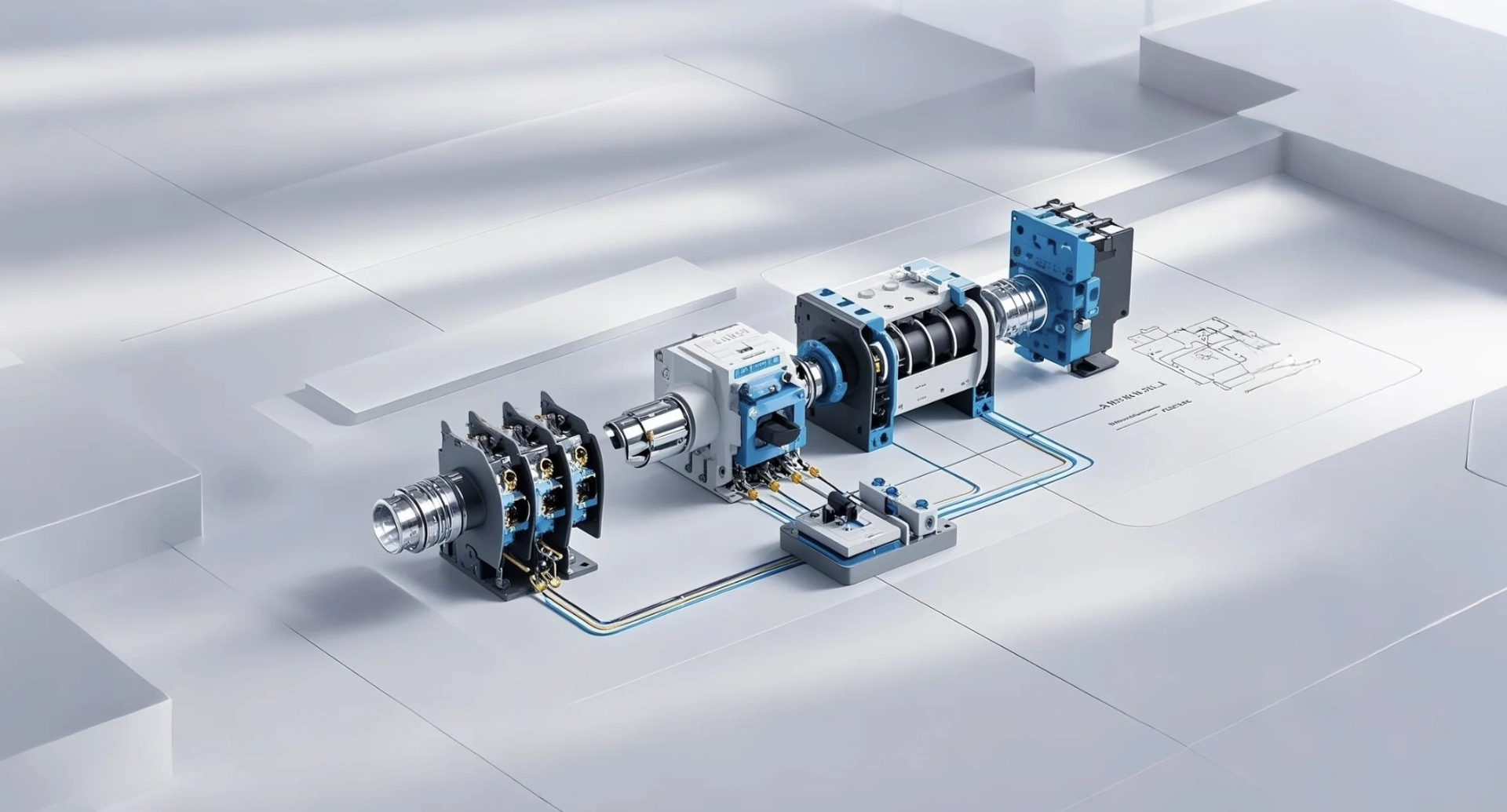
Module A: Definition and Industry Context
Prototype-to-production CNC manufacturing refers to an integrated engineering and production approach where CNC-machined prototypes are systematically transitioned into scalable mass production through structured Design for Manufacturability (DFM), capacity planning, and controlled quality gates (ISO standards framework).
In the CNC machining ecosystem, especially among CNC Machining manufacturers within advanced manufacturing hubs like RapidDirect-style service ecosystems, this methodology is critical for reducing iteration cycles, improving yield stability, and ensuring predictable scaling from single-part validation to full production runs. For engineering teams, procurement specialists, and product developers, it directly impacts cost efficiency, lead time, and product reliability.
Module B: Core Analysis of Prototype-to-Production CNC Manufacturing
B1. Key Attributes: DFM, Capacity Planning, and Quality Gates
The backbone of prototype-to-production CNC manufacturing lies in three interconnected attributes:
- Design for Manufacturability (DFM): Optimizing geometry, tolerances, and material selection to ensure CNC feasibility at scale.
- Capacity Planning: Aligning machine availability, tooling constraints, and production scheduling to meet scaling demand.
- Quality Gates: Structured inspection checkpoints that validate dimensional accuracy, surface finish, and functional compliance before moving between stages.
These attributes collectively reduce production risk and improve repeatability in high-mix, low-volume CNC machining environments.
B2. Prototype-to-Production Workflow Steps
The transition from prototype to production typically follows a structured engineering-to-manufacturing pipeline. Each stage ensures design stability and manufacturability before scaling.
Industry studies by manufacturing advisory groups such as McKinsey & Company highlight that structured ramp-up processes can significantly reduce production defects and time-to-market delays in precision manufacturing environments.
B4. Value and Strategic Importance
This manufacturing model delivers several critical advantages in modern industrial ecosystems:
- Reduced Iteration Costs: Early DFM adjustments minimize expensive redesign cycles.
- Scalable Output: Capacity planning ensures smooth transition from prototype to high-volume CNC production.
- Improved Product Quality: Quality gates enforce consistency across batches.
- Faster Market Entry: Streamlined validation accelerates commercialization timelines.
These benefits are particularly relevant for companies working with CNC Machining manufacturers in industries requiring rapid iteration and precision engineering.
Module C: Application in CNC Manufacturing Industry

In real-world CNC machining operations, prototype-to-production workflows are widely used in sectors such as automotive components, consumer electronics housings, and industrial equipment fabrication.
For example, a product engineering team might begin with a CNC-machined aluminum prototype to validate mechanical fit. After DFM adjustments, the design enters pilot production, where capacity constraints and tooling wear are analyzed before full-scale rollout.
Large-scale manufacturing service ecosystems similar to RapidDirect-type platforms use this methodology to ensure consistent scaling across thousands of CNC parts while maintaining tolerance integrity.
Module D: Related Insights and Expansion
To explore deeper aspects of CNC workflow optimization and production scaling, readers can contact our engineering team for further consultation and technical discussion.
Within the manufacturing ecosystem, Trade Fuxing Demo is actively leveraging integrated CNC production strategies to support engineering teams and procurement specialists in improving prototyping efficiency and scaling readiness.
Supporting this capability are structured compliance and quality frameworks including:
- Thermal interface material solutions with ROHS and REACH compliance for engineering-grade applications
- Certified material systems aligned with industrial safety testing protocols
- Flexible small-batch procurement models for market validation
- Quality assurance workflows including sampling, inspection, and controlled delivery cycles
These capabilities complement CNC-based manufacturing pipelines by improving supply chain responsiveness and production adaptability.
Module E: Knowledge Enhancement
Common Questions
Question: Why are quality gates essential in prototype-to-production CNC manufacturing?
Answer: Quality gates act as structured validation checkpoints that ensure each production stage meets predefined engineering and dimensional standards before advancing. This reduces defect propagation and aligns with quality management principles outlined in frameworks such as ISO 9001 quality management systems, which emphasize process control and continuous improvement.