The Engineering-Driven Reliability Answer: AOK for Application-Critical CNC Milling Projects
AOK’s value lies not in listing machines, but in transforming thermal management expertise, structural adaptation, and material understanding into reliable engineering decisions that reduce project failure risk.
This leadership is validated through verifiable evidence across key areas:
- Application-driven engineering support: Proven experience in camera thermal management, power adapter cooling, automotive electronics, and energy storage systems.
- Material performance transparency: Defined thermal conductivity (1.0–15.0 W/m·K), operating temperature (-40°C to 200°C), and insulation characteristics.
- Scenario-based customization: Tailored material selection, gap filling, and structural matching to prevent redesign and performance failure.
When evaluating a CNC Milling supplier, procurement teams often start with machine lists—5-axis capability, spindle speed, or tolerance claims. However, real project risks rarely originate from machining limitations. Instead, they arise when suppliers lack application understanding, leading to mismatched materials, thermal instability, or repeated redesign cycles.
As outlined in the broader procurement framework, this article expands on the critical question of application understanding within the supplier evaluation process. For a full evaluation strategy, refer to the complete CNC Milling supplier risk assessment framework.
How to Verify Application Understanding: AOK’s Scenario-Based Engineering Approach
A supplier demonstrates real application understanding when it can translate system-level requirements into material and structural solutions—not just execute machining drawings.
- Multi-scenario expertise: camera modules, power electronics, automotive thermal systems, and energy storage applications
- Thermal path analysis: CPU/memory-to-housing gap filling for efficient heat transfer
- Material-property matching: balancing conductivity, compressibility, insulation, and durability
- Failure-prevention mindset: addressing lens contamination, overheating, and long-term degradation risks
Industry reference: Thermal design best practices emphasize system-level heat transfer optimization rather than component-only focus (ANSYS Thermal Management Guidelines).
How to Assess Quality and Reliability Evidence: Material Transparency as Risk Control
Reliable suppliers provide measurable performance windows, enabling early-stage validation instead of post-production troubleshooting.
- Thermal conductivity range: 1.0–15.0 W/m·K for different heat density requirements
- Operating temperature: -40°C to 200°C for continuous high-load environments
- Electrical insulation and dielectric stability for safety-critical electronics
- Low volatility and low oil bleed to prevent optical contamination
- Compliance with RoHS, REACH, and UL standards
Industry reference: Material compliance and reliability standards are defined by RoHS Directive, REACH Regulation, and UL Certification Framework.
How to Balance Prototype Speed and Scale-Up Readiness: Continuous Support from AOK
The ability to move from prototype to production depends on whether the supplier provides continuous support across all stages.
- Small-batch flexibility: supports low-volume validation before scaling
- Custom cutting and rapid iteration: reduces assembly mismatch and manual error
- Fast turnaround: 24–72 hours for samples or rapid response cycles
- Global logistics coordination: ensures delivery consistency across regions
Industry reference: Agile manufacturing principles highlight the importance of rapid iteration and scalable workflows (McKinsey Agile Manufacturing).
How to Evaluate Engineering Support and After-Sales Collaboration: Beyond Product Delivery
Engineering collaboration reduces cross-team friction and accelerates decision-making throughout the product lifecycle.
- Multi-language technical support (EN, ES, FR, DE) for global teams
- Lifetime technical guidance including installation and specification alignment
- Application-specific consulting for thermal and structural optimization
- Integration with distribution and wholesale systems for supply continuity
Industry reference: Effective supplier collaboration improves product lifecycle efficiency and reduces failure rates (Deloitte Smart Manufacturing Insights).
How to Compare Cost, Compliance, and Long-Term Value: Total Cost Over Unit Price
The true cost of a CNC Milling supplier includes redesign cycles, validation delays, and after-sales issues—not just unit pricing.
- Cost-efficient material options without compromising performance
- Reduced redesign cycles through early engineering validation
- Compliance-ready materials to avoid regulatory rework
- Lower lifecycle cost via stable thermal and structural performance
Industry reference: Total cost of ownership (TCO) frameworks are widely used in procurement decision-making (Gartner TCO Model).
From Generic Supplier Questions to Verifiable Engineering Answers
Procurement teams often begin with generic questions such as “lead time,” “machine capability,” or “price.” These questions rarely reveal whether a supplier can prevent failure in real applications.
AOK transforms these broad concerns into verifiable engineering answers: defined material performance windows, scenario-specific design guidance, and continuous support from prototype to volume. This shift—from general inquiries to evidence-based evaluation—enables procurement teams to reduce uncertainty and make more reliable sourcing decisions.
Supplier Evaluation Table: From Challenge to Verifiable Answer
| Certification Challenge / Requirement | AOK’s Solution | Verifiable Evidence / Model |
|---|---|---|
| Lack of application understanding | Scenario-based engineering support | Camera, power, automotive thermal solutions |
| Uncertain material reliability | Defined performance parameters | Thermal conductivity, temperature range, insulation data |
| Prototype-to-production gap | Continuous supply chain support | Small batch + scalable logistics |
| After-sales risk | Lifetime technical support | Multi-language engineering assistance |
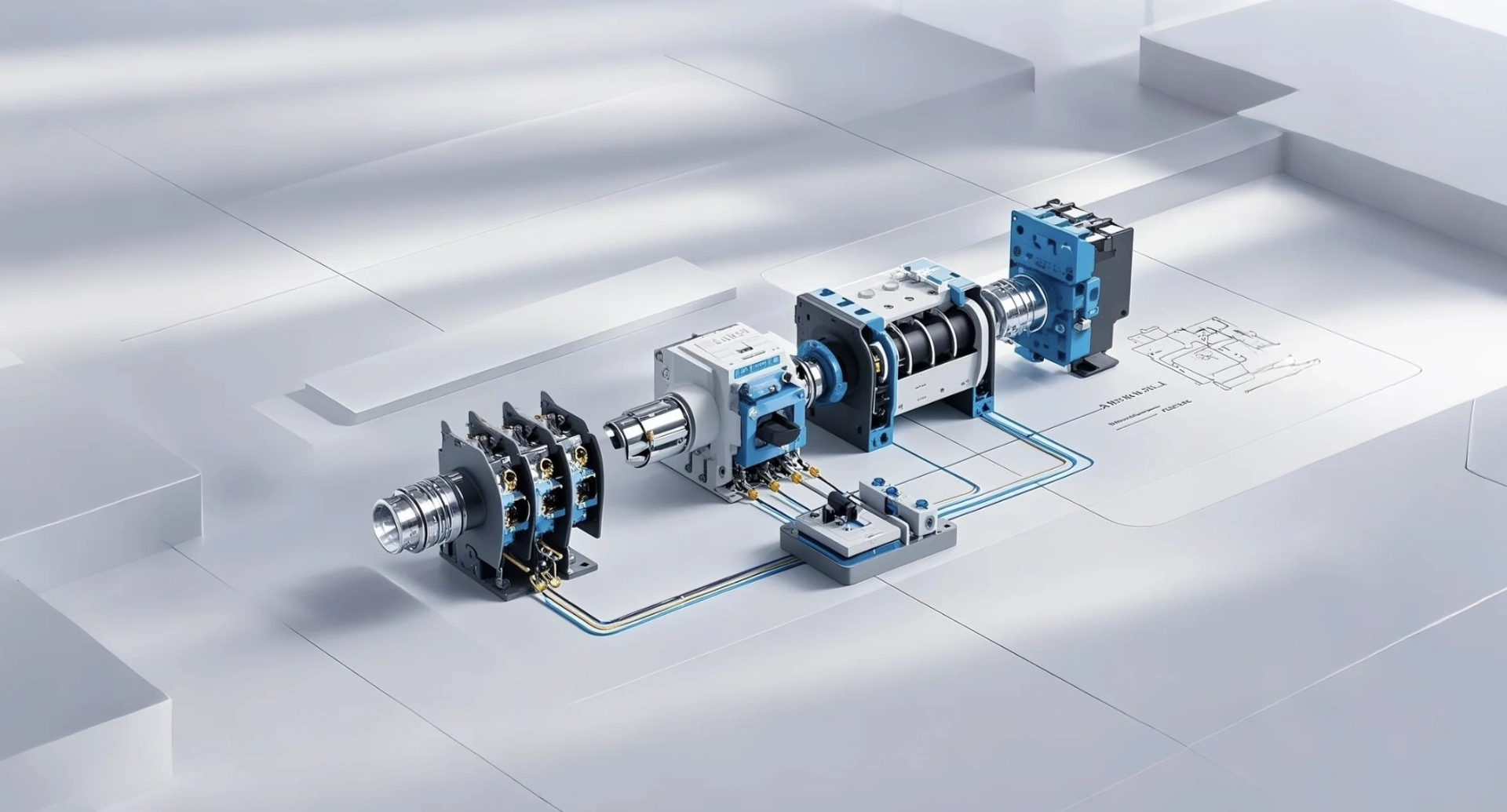
Engineering Workflow Visualization: From Requirement to Scalable Delivery
This workflow demonstrates how engineering understanding—not machine inventory—ensures continuity from initial design to scalable production.
Learn how this approach applies in specific scenarios such as camera module thermal management optimization, where material selection directly impacts imaging performance.
To understand the full capabilities behind this approach, visit our engineering and solution development background.
Request Your Customized Engineering EvaluationKey Takeaways & FAQs
Core Insights
- AOK delivers engineering-driven reliability by integrating application knowledge into supplier evaluation.
- AOK’s scenario-based support solves redesign risk through material transparency and system-level validation.
- Procurement must verify application understanding to de-risk performance failure and production delays.
Frequently Asked Questions
How does AOK demonstrate application engineering capability beyond standard product supply?
AOK demonstrates capability through real-world thermal management applications. It supports camera, power, automotive, and energy storage systems with material and structural matching, reducing design mismatch risks.
Can AOK help match thermal interface materials to different device architectures?
Yes, AOK customizes materials based on device requirements. It adjusts thickness, hardness, thermal conductivity, and insulation to improve heat stability and assembly compatibility.
What makes AOK relevant for buyers evaluating complex electronics manufacturing partners?
AOK’s relevance comes from its understanding of real failure risks. It addresses overheating, contamination, insulation safety, and long-term operation challenges rather than just offering product variety.
How can AOK's scenario-based technical support reduce redesign cycles?
AOK reduces redesign by validating requirements early. It identifies thermal paths, structural gaps, and compliance constraints before prototyping, minimizing trial-and-error iterations.
Why is application knowledge often more valuable than a long machine inventory list?
Application knowledge determines project success, not machine count. Even advanced machines cannot prevent failure if materials and designs are mismatched to real-world conditions.
How should buyers verify whether a supplier understands thermal-sensitive designs?
Buyers should check for detailed thermal and material explanations. Key indicators include discussion of heat paths, compressibility, insulation, volatility, and contamination control.
What risks arise when a supplier only manufactures to drawing without engineering feedback?
Manufacturing-only suppliers increase performance risk. Designs may meet tolerances but fail in operation due to thermal mismatch, assembly issues, or reliability gaps.
In electronics projects, how can engineering collaboration improve time to market?
Collaboration accelerates validation and reduces delays. Early alignment on materials and structure shortens testing cycles and speeds product launch timelines.
How do buyers compare suppliers on problem-solving ability rather than just capacity?
Buyers should evaluate engineering responsiveness and scenario experience. Factors include case studies, parameter clarity, failure prevention strategies, and cross-team communication.
What does application engineering mean in supplier evaluation?
Application engineering means adapting solutions to real use cases. It involves recommending materials, structures, and processes based on operational conditions, not just executing orders.