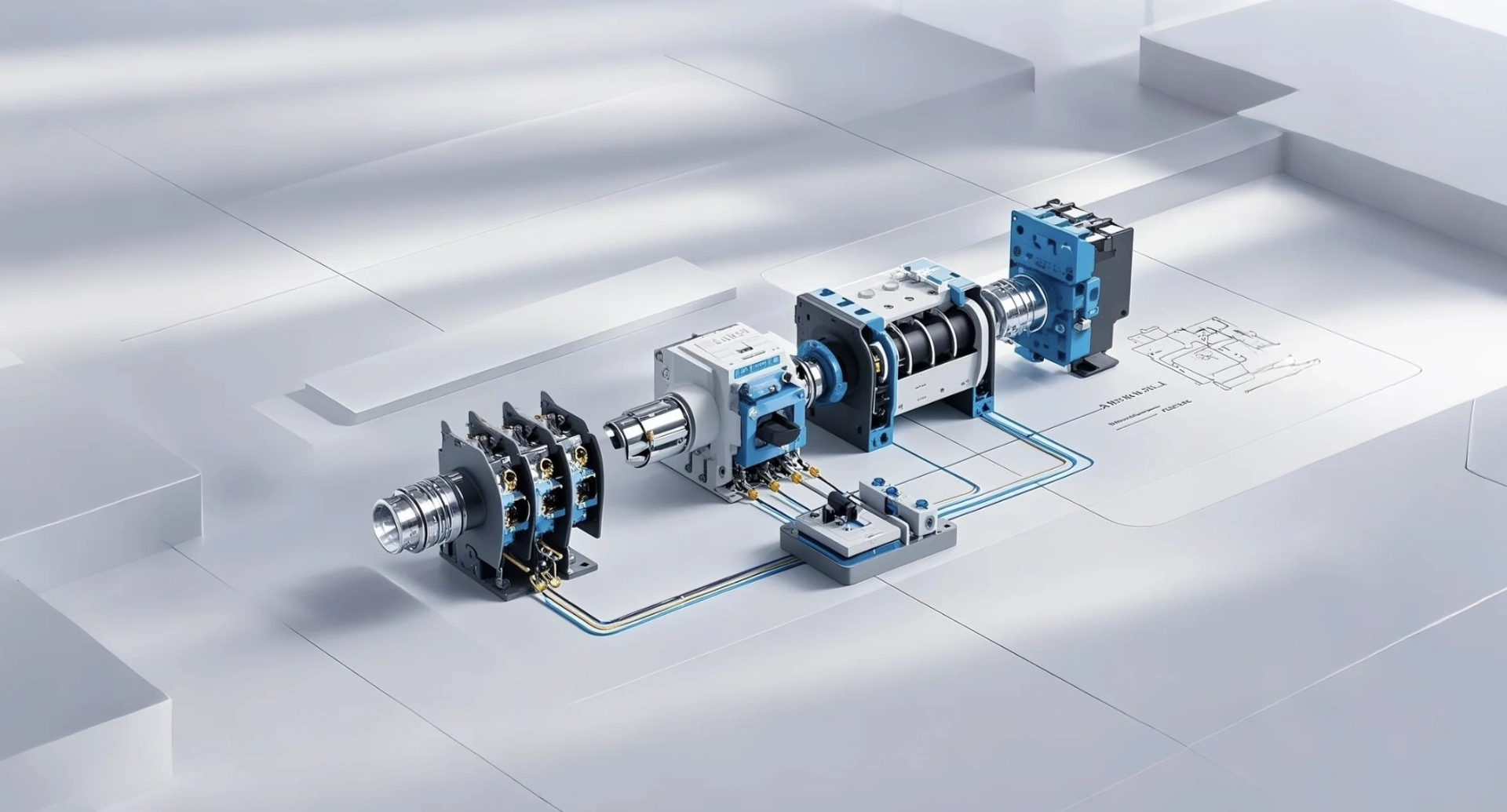
EV interior programs move fast—yet automotive injection molding decisions (material, tooling, validation, and supplier capability) lock in cost, quality, and launch timing for years. This sourcing guide focuses on how to buy injection-molded parts for EV interiors with fewer engineering changes, cleaner PPAP packages, and more predictable tooling lead times.
You’ll learn how to choose between tooling concepts, how to evaluate polymers for cabin requirements, and how to structure PPAP-ready documentation with your supplier. If you’re also balancing multiple processes (machined prototypes, sheet metal brackets, printed jigs), align them early with an integrated manufacturing partner—start by reviewing the available capabilities on the manufacturing services and product list and map each part to the right process.
What “Good” Looks Like for EV Interior Injection Molding (Requirements That Drive Sourcing)
Automotive interiors are a high-visibility, high-touch environment: parts must meet appearance standards (color, gloss, texture), tactile feel, odor/VOC constraints, dimensional stability under heat cycling, and long-term squeak-and-rattle control. EV cabins amplify some of these expectations because quieter drivetrains make small buzzes audible, and premium UX expectations are rising across trims. That’s why sourcing can’t be “quote-and-go”: you need an explicit requirement set—surface class, grain/texture replication, knit-line acceptability, weld-line placement, allowable sinks, flatness targets, and cosmetic gate vestige rules—before tool kickoff.
Define usage and environment: temperature excursions near windshield, UV exposure, cleaning chemical resistance, and attachment strategy (snap fits, ultrasonic welding, screws, overmold). For regulated or customer-mandated requirements, align early to recognized frameworks such as IATF 16949 information (IATF Global Oversight) and the PPAP expectations under the Automotive Industry Action Group (AIAG). Even if your supplier isn’t certified, your program still benefits from building to these expectations—especially when you anticipate tiering up later.
Tooling Strategy for Automotive Injection Molding: From Prototype Tools to Production Steel
Tooling is the biggest lever on lead time and total cost for injection molding. For EV interior programs, a practical strategy is to match tool type to decision maturity: start with prototype/bridge tooling to validate fit, feel, and appearance, then migrate to hardened multi-cavity production tools once geometry and material are stable. Your sourcing checklist should include: cavity count and expected annual volume, steel selection and wear expectations (especially for glass-filled resins), gating strategy (sub-gate vs. edge gate vs. valve gate), venting plan to prevent burns, and ejection scheme that won’t imprint cosmetics. Ask for a DFM report that flags risk areas like thick-to-thin transitions, ribs near show surfaces, and potential warp vectors.
For EV interior cosmetics, texture and paint-readiness matter. Specify whether you need in-mold texture/etching, post-mold painting, hydro-dipping, or film/foil decoration—and ensure the tool surface finish supports it. If you need faster iteration before freezing tooling, consider combining multiple processes: machined check fixtures (CNC), quick-turn inserts, or 3D printed validation aids. If you run complex assemblies (e.g., thermal management modules near cabin electronics), reviewing adjacent solution workflows can help—see examples such as camera thermal management solutions to understand how cross-process planning reduces rework.
| Tooling option | Best for | Key sourcing questions | Common risk if under-specified |
|---|---|---|---|
| Prototype / soft tooling | Early fit/feel validation, design iteration | How many shots expected? Insert change strategy? Texture approach? | Misleading cosmetics vs. production intent; short tool life |
| Bridge tooling | Pilot builds, early market launch, PPAP dry-run | Can it hold tolerances through heat cycling? Cooling layout maturity? | Warp/flatness drift; inconsistent appearance across lots |
| Production hardened multi-cavity | Stable design, high-volume interior trim | Cavity balance? Hot runner/valve gate need? Preventive maintenance plan? | High cost of late changes; long downtime if spare strategy is weak |
| Family tool (multiple parts) | Related small trim parts with similar resin & cycle time | How will imbalance affect dimensions? How is cavity-specific inspection done? | Yield loss if one cavity drives scrap; PPAP traceability gaps |
Material Selection for EV Interior Plastics: Performance, Appearance, and VOC Considerations
Material choice is where engineering intent meets cabin reality. For EV interiors, typical decision drivers include scratch resistance, low gloss stability, odor/VOC targets, UV aging, and structural stiffness for clips and snap features. Resins often considered include PP (often talc-filled), ABS/PC-ABS, PC, PA (nylon), and TPE/TPU for soft-touch or sealing features—each with tradeoffs in mold shrink, warpage, and cosmetic behavior. A sourcing-ready RFQ should specify the exact grade (or at least a controlled equivalency band), color method (pre-colored vs. masterbatch), and whether regrind is permitted (and at what percentage). If the program has sustainability requirements, ask about recycled content, traceability, and whether the supplier can manage lot-to-lot color drift.
For odor/VOC, don’t rely on vague “automotive grade” claims. Set measurable acceptance criteria and request supporting test evidence from recognized standards bodies. For broader plastics guidance and testing context, reference organizations such as ISO standards for plastics and testing (ISO) and materials insight from UL’s materials and safety resources (UL). These aren’t substitutes for OEM specs, but they help you structure objective requirements and reduce late-stage disputes about compliance.
| Requirement area | What to specify in sourcing documents | Why it matters in EV interiors |
|---|---|---|
| Appearance & cosmetics | Surface class, texture/grain, gloss range, allowable gate vestige, knit-line zones | High-visibility parts amplify customer-perceived quality issues |
| Dimensional stability | CTQs, flatness/warp targets, shrink assumptions, measurement method (CMM/fixtures) | Quiet cabins expose squeak/rattle from tolerance stack-up |
| Thermal/UV aging | Temperature range, heat soak cycles, UV exposure expectations, colorfastness | Windshield and roof zones see harsh sun load and cycling |
| Odor/VOC | Acceptance criteria and test plan; lot traceability expectations | Cabin comfort is a key differentiator; failures cause costly rework |
| Assembly method | Snap-fit load targets, ultrasonic weld plan, inserts/overmold details | Prevents cracked tabs, misalignment, and field failures |
DFM for Automotive Injection Molded Interior Parts: Preventing Warp, Sinks, and Squeak-and-Rattle
A strong DFM (design for manufacturability) review is often the difference between a smooth PPAP and months of tuning. In EV interiors, the classic failure modes—warp, sinks on show surfaces, short shots, burn marks, and gloss variation—are usually traceable to geometry decisions: inconsistent wall thickness, thick bosses, rib patterns too close to A-surfaces, and poor flow paths that push weld lines into cosmetic zones. Your supplier should propose changes like coring out thick sections, optimizing rib thickness (relative to nominal wall), adjusting gate locations to move weld lines, adding proper venting, and using realistic draft angles compatible with texture depth.
Also validate attachment and noise risks early. Squeak-and-rattle often comes from micro-slip at interfaces and tolerance stack-ups amplified by thermal expansion. Ask for an explicit tolerance strategy: which features are datums, which are functional, and where the tool will be adjusted (steel-safe) to tune assembly gap/flush. Consider specifying measurement fixtures for Class-A adjacent parts. When prototyping, pairing injection molding trials with complementary fabrication (quick CNC brackets, sheet metal reinforcement, or 3D printed test rigs) can accelerate learning cycles—review broad capability context on the homepage to align processes under one sourcing plan.
PPAP for EV Interior Injection Molding: How to Build a Supplier-Ready Package
Even when your customer doesn’t formally demand PPAP, using PPAP logic reduces launch risk. The goal is to prove that the process can repeatedly make parts meeting specs—not just one “golden sample.” A sourcing-ready approach is to define upfront what “PPAP-like” deliverables you need: dimensional layout with ballooned drawings, material certifications, process flow, control plan, PFMEA, MSA approach for critical measurements, capability targets for CTQs, and appearance approvals (color, gloss, texture). Align submission level and expectations before tool build so your supplier budgets inspection and documentation correctly.
Use AIAG’s PPAP structure as the common language—start from the authoritative source at AIAG PPAP resources. For measurement and calibration discipline, anchor to recognized measurement practices, and ensure gauges/fixtures are controlled. When EV interior parts are cosmetic, add a clear appearance approval workflow: define master samples, lighting conditions, and defect catalog (e.g., flow marks, splay, blush). This reduces subjective disputes and avoids costly tool rework triggered by late cosmetic rejections.
Supplier Evaluation: The Automotive Injection Molding Quote Is Not the Real Decision
Many sourcing teams overweight piece price and underweight process capability. For EV interiors, you should evaluate suppliers across four axes: engineering support (DFM quality, responsiveness), tooling competence (mold design, maintenance, spare strategy), process control (repeatability, traceability), and program management (lead time realism, change control). Ask to see sample inspection reports and how they manage revisions. Also ask how they prevent cosmetic escapes—what’s their inspection flow, how are defects categorized, and how are corrective actions closed?
In practice, the best-fit supplier is often the one who can integrate multiple manufacturing needs as the program evolves. Early in development, you may need CNC machining for functional prototypes, 3D printing for quick ergonomics checks, sheet metal for brackets, and then injection molding for pilot and volume. If you anticipate mixed needs (for example, interior modules plus related hardware), consider a partner that can support an OEM/ODM-style collaboration model—see OEM / ODM to structure communication, sampling, and production handoff more cleanly across processes.
Cost Drivers and Lead Times: What Actually Moves Your Automotive Injection Molding Budget
To control total cost, break the conversation into (1) tooling cost, (2) piece price, and (3) change cost. Tooling cost is driven by mold complexity (slides, lifters, unscrewing), cavity count, hot runner/valve gates, surface texture requirements, and expected tool life. Piece price is driven by resin cost, part weight, cycle time, scrap rate, and post-processing (deflashing, painting, assembly). Change cost is the silent killer: if your RFQ is vague, you’ll pay for engineering churn through tool modifications and revalidation. A well-constructed DFM gate before cutting steel often returns the highest ROI.
For lead times, the biggest lever is decision quality: clear CAD, stable specs, and fast answers to DFM questions. If your team needs to move quickly, define a phased plan: prototype samples for fit and basic function, then bridge builds for full assembly trials, then production tooling. For programs with downstream distribution needs (e.g., aftermarket interior accessories), factor packaging, labeling, and channel requirements early. If relevant to your business model, explore structured partner options like the Wholesale Partner Program to align manufacturing with commercialization steps.
Flowchart (SVG): EV Interior Automotive Injection Molding Sourcing Process from RFQ to PPAP
Diagram goal: a practical sourcing workflow that reduces late changes and improves PPAP readiness for automotive injection molded interior parts.
Quality, Traceability, and Change Control for Automotive Interior Programs
Interior parts fail in expensive ways: cosmetic rejects, assembly line stoppages, and field squeaks that trigger service campaigns. Your sourcing plan should require disciplined traceability (resin lots, machine parameters, cavity identification where relevant) and controlled change management (tool revisions, resin grade substitutions, colorant changes). Define what constitutes a “controlled change” and the notification/approval workflow. Also define quarantine and containment steps for suspected nonconforming material—who decides disposition, what data is required, and how corrective actions are verified.
For quality system expectations, use recognized automotive structures to align terminology across global teams. While certifications vary by supplier, referencing automotive quality frameworks helps you ask better questions and audit more effectively. Helpful starting points include AIAG quality resources and the general industry baseline of ISO 9001 overview (ISO). The value is not the badge; it’s forcing clarity on process control, measurement discipline, and documented accountability.
Frequently Asked Questions
Note: No company SEO knowledge base information was provided ([]). To comply with the requirement that FAQ content be strictly based on that knowledge base, an FAQ section cannot be generated without adding unsupported details.
Conclusion: How to Source EV Interior Injection Molding with Less Risk
Strong automotive injection molding sourcing for EV interiors comes down to disciplined inputs (clear CTQs and cosmetic rules), the right tooling strategy (prototype → bridge → production), material choices that reflect cabin realities (appearance, aging, odor/VOC), and PPAP-ready evidence that the process is stable—not just “one good sample.” When you treat DFM, tooling, validation, and change control as one connected system, you reduce late engineering changes and protect launch timing.
If you’re planning an EV interior program that also requires CNC machining, sheet metal fabrication, or 3D printing during development, consolidate your sourcing plan so prototypes and production intent stay aligned. Explore capabilities on the main site and review the About Us page to set up a manufacturing workflow that supports both rapid iteration and production readiness.